What is the connection between the chemical industry and green electrification?
The green transition requires the abandonment of fossil energy sources in order to succeed. But the same applies to the production of materials. Products manufactured from fossil raw materials can be technically replaced by production methods that apply green electrification
When we talk about renouncing fossil fuels, we usually refer to electrification solutions. The chemical industry, which relies on approximately 10 different raw materials, of which oil, coal and natural gas are fossil-based, poses a challenge of its own.
In addition to fuels, oil is also used in the manufacture of plastics and cosmetics.
“A surprisingly many everyday products are currently manufactured from fossil raw materials. For example, petroleum jelly is made from crude oil”, says Project Researcher Jenna Ruokonen from LUT University.
We therefore need to find sustainable manufacturing methods for tens of thousands of products which we are used to using in our current standard of living. The technology already exists, as we can use carbon dioxide, as well as hydrogen produced from water using renewable electricity, to produce substitute raw materials.
The carbon dioxide must be produced from sustainable sources. For example, carbon dioxide captured from pulp mill flue gases is considered a sustainable source.
“The solutions need to be developed now, as it can take more than ten years to design, build and deploy new plants”, Ruokonen points out.
Added value of billions through carbon dioxide products
The Finnish forest industry produces 20 million tonnes of bio-based carbon dioxide annually.According to VTT and the Natural Resources Institute Finland, the added value of bio-based carbon dioxide products processed with renewable hydrogen could increase to EUR 2.6 billion by 2040. This requires that there is market demand for refined products soon. The direction of regulation affects profitability.
“Finland’s carbon dioxide reserves have now been identified as a competitive advantage. The Nordic countries are interesting investment targets also due to the production potential of clean electricity. We have a good network and affordable electricity, says Project Manager Eeva Lähdesmäki from LUT University.
Bio-fuels are a successful example of renewable products.
In addition to biomass, synthetic sources are needed. For example, methanol is an important chemical that is today manufactured largely from natural gas. However, there is a demand to switch from gas to green methanol produced with hydrogen and carbon dioxide.
“A scientific article on the potential ways of utilising carbon dioxide will be published in early autumn.
Investors’ views on renewable electricity and the pulp industry have been mapped through interviews, and these results will also be published in the autumn”, says Lähdesmäki.
The work carried out at LUT University as part of the Green Electrification of InnoCities project is based on the need to increase knowledge between researchers, entrepreneurs, legislators and funders.
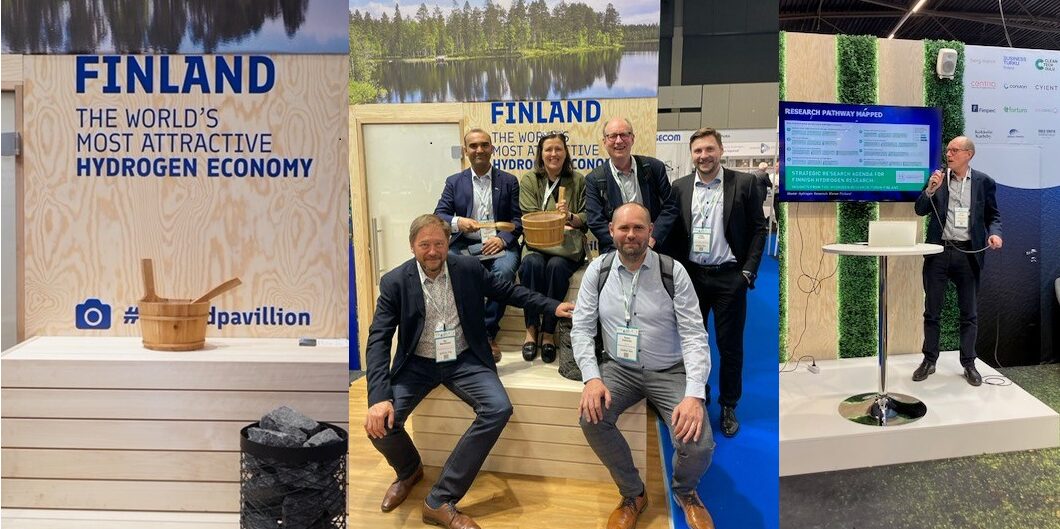
“We discussed joint research topics at the World Hydrogen Summit in May. The participants included the Finnish Hydrogen Research Forum, regions, cities, companies and Business Finland”, says Lähdesmäki.
More information:
Report: Eight research topics where Finland will become a pioneer in the hydrogen economy – InnoCities (in Finnish)
Previous article: Making the energy transition happen: Research data sheds light on the outlook for clean energy – InnoCities (in Finnish)
Green electrification is one of the themes led by InnoCity. Thematic cooperation pools together city resources and promotes good practices, international cooperation, and investment. Its goal is to accelerate the renewal of business and the deployment of sustainable solutions in cities. InnoCities support innovation, apply research, and carry out experiments.