Finland has strong industrial and research networks in batteries – Specialisation is worth it
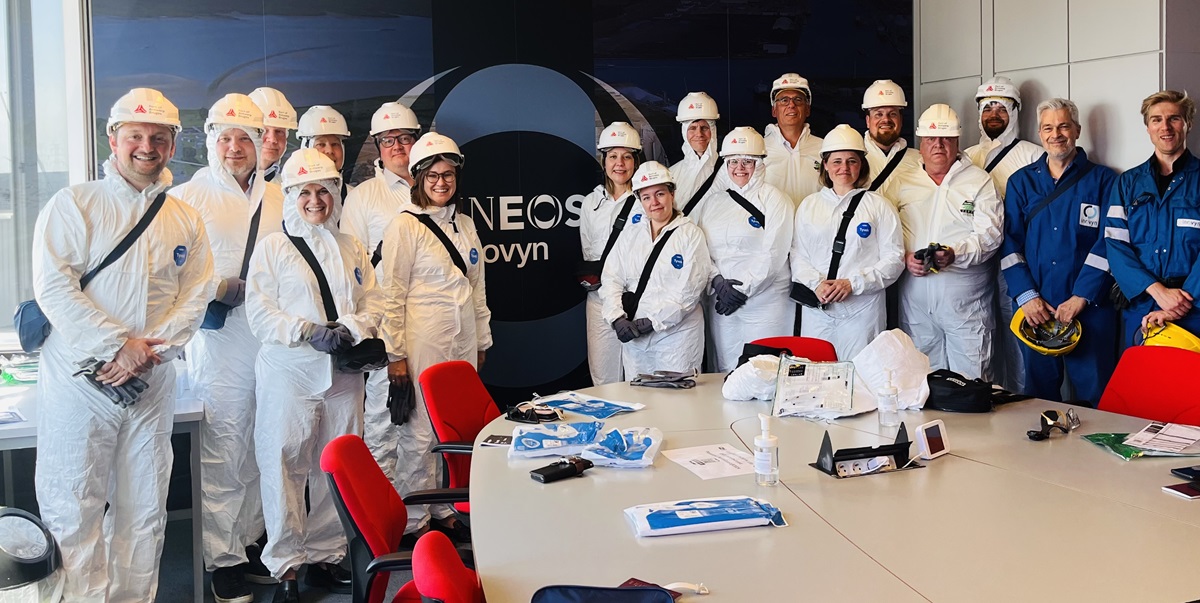
Finland has bolstered its value chain in batteries by identifying professional competence, strengthening academic research, and studying worldwide industrial regulations.
Competence in battery chemistry and cooperation are necessary in the pursuit of carbon-neutral electricity production. For the past few years, RDI operators in Kokkola have been producing data on how to strengthen national and regional competence through the InnoCities Leadership Project. These activities are also founded on the national battery strategy.
“When the national battery strategy was created in 2025, the sector’s future was looking bright in terms of electric vehicle demand and the European battery industry. Changes in global perspective caused changes in EV demand, which is greatest in China, the industry-leading nation,” said Jarkko Vesa, ScD, at the project’s final seminar on 25 June.
According to Jonne Sandberg, development director at the City of Kokkola, individual global events do not have a long-term effect on the development work. Additionally, the revitalised discourse on security of supply has introduced important angles on the topic of batteries.
Researchers at the University of Oulu have been carrying out long-term work on battery chemistry. Their battery research has succeeded in raising funds and managed to prepare new cooperative projects.
“The research network has worked with the cities of Kokkola, Jyväskylä, Lappeenranta, Pori-Harjavalta, Turku, Kuopio, and Vaasa,” says Ulla Lassi, professor at the University of Oulu.
From an international perspective, Lassi thinks that the battery chemistry research in Finland is of a high level. She also says that Finnish businesses carry out significant research of their own.
“From a national perspective, our researchers have strong and extensive networks, but our resources only go so far, and the studies are somewhat fragmented. That is why I think it’s important for research organisations to specialise towards their own strengths,” says Lassi.
Surveys into vocational training are looking at spreading the knowledge of the field within the ecosystem. Centria University of Applied Sciences and the Central Ostrobothnia Education Consortium have surveyed the education on offer at vocational institutions and supported them in their networking efforts.
Vocational education has a particular interest in applications, such as electric vehicles, renewable energy, the energy transition, fuel cells and batteries.
Finding competent workers is its own challenge, which the Leadership Project attempted to solve through a separate workshop. There is an issue with skilled people not finding work, which is primarily a question of geography. It should be possible to seek a solution through housing policy, family services and the development of better public transport. Successful international recruitment requires effective immigration practices.
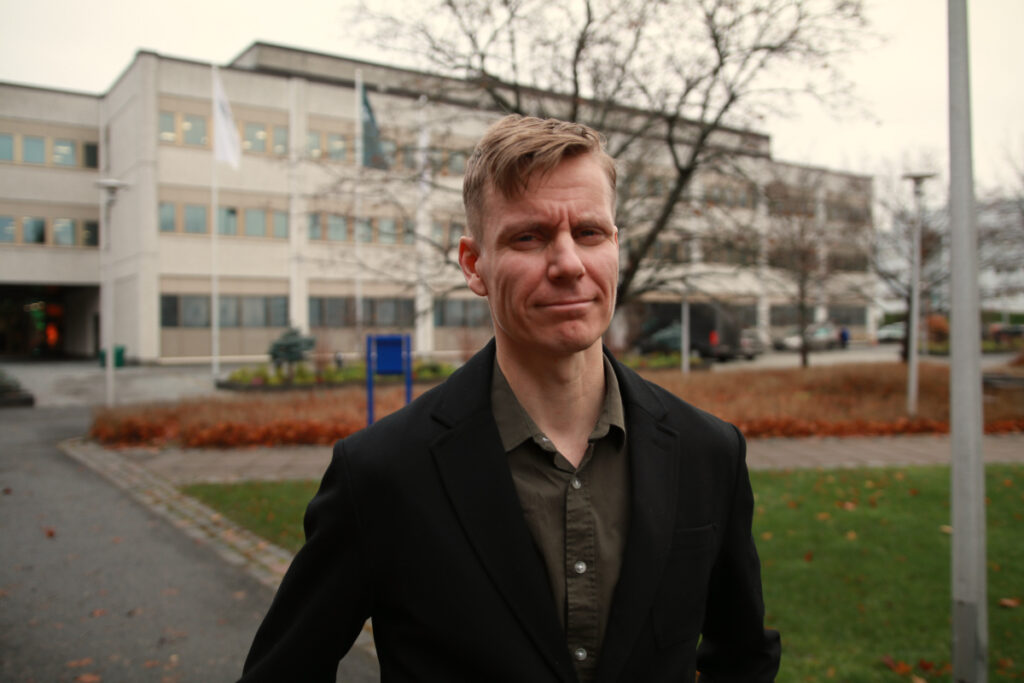
“There is a need to better understand the effects of the green transition and the way work itself is changing. Industrial work is not currently attractive to young people,” says Hannu-Pekka Pukema, project manager at the City of Kokkola.
Similar features at industrial parks
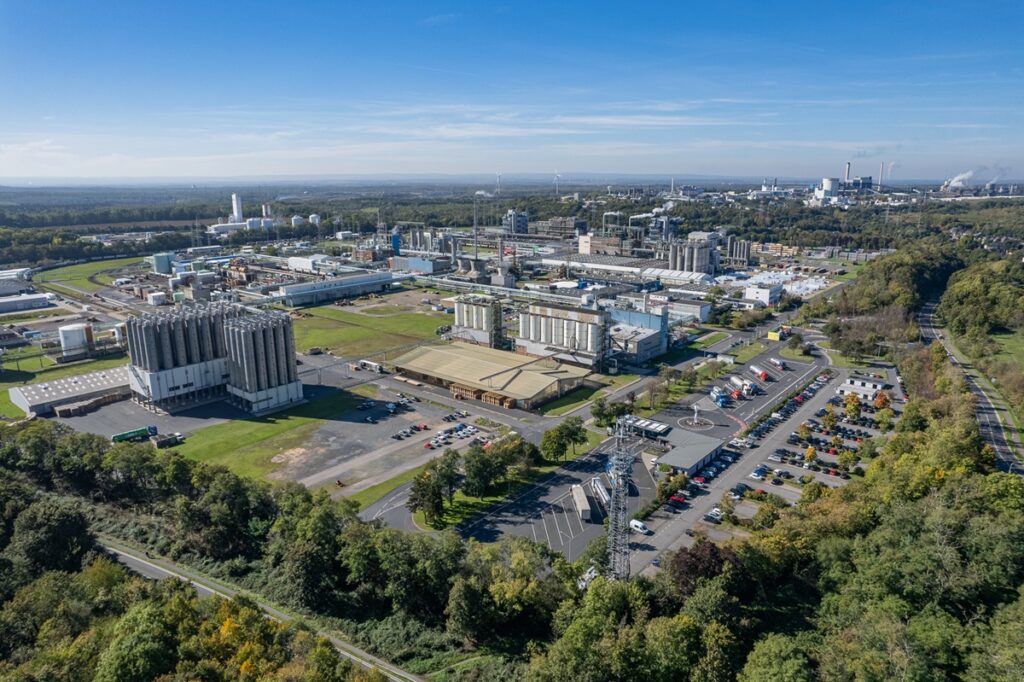
The development of industrial parks has opened our eyes to a wider, international scope than just the battery sector. It is not easy to get into the European industrial parks, but the delegation efforts of Finnish cities were rewarded with a visit to a chemistry sector industrial park in Knapsack, Germany and the Port of Antwerp in Belgium.
“We wanted to visit industrial parks that are on a larger scale than what we have in Finland. Despite the longer history of Central European industrial parks, they work under the same kinds of rules that we could also use to develop our own parks,” says Hannu-Pekka Pukema.
According to the visitors, the key lessons they learned at Knapsack were on the strong role of the park’s operational management company and their responsibility to develop and maintain their platform.
“What was important was strategy. Good planning has made it possible for plenty of operators to function in the area. The operators are all offered a common contract model and services. These activities introduce vitality in the area. They also see value in their interactions with the nearby residents,” Pukema explains the lessons they learned.
The Port of Antwerp, despite its significant area, has limited space for new businesses, which emphasises the need to create additional value.
“What’s important is a clear vision to develop the area, operator synergy, and a connection to the port’s operations. They, too, believe that the green transition is important,” says Pukema.
According to Pukema, the participants were happy with what they learned on the visits. What Finland will need to consider now is, among other things, what we want out of our industrial parks and what kinds of investments will be profitable.
Antwerp and Rotterdam are ports where almost everyone stops, but Finland’s location in the far corner of Europe is a definite challenge.
“After trade with Russia ended, it is certainly going to be important to study the opportunities of, let’s say, new rail connections,” Pukema reminds us.
The battery value chain is one part of a broader industrial strategy. According to Pukema, a state-level vision, concrete objectives to implement it, and ensuring its deployment on a wide scope have been repeated as important issues during the project at various talks and different contexts.
“The battery sector’s network will continue to work well. We are making large, regional leaps with businesses and working to advance our unique research projects. Kokkola will continue to encourage others,” says Ulla Lassi.
Last year, the Leadership Project created the Best Practices for Industrial Parks report, which is available on the City of Kokkola website.
Further reading:
Battery Chemistry Leadership Project – Kokkola (in Finnish)
Battery chemistry is one of the leadership themes for InnoCities. Thematic cooperation pools together city resources and promotes good practices, international cooperation, and investment. Its goal is to accelerate the renewal of business and the deployment of sustainable solutions in cities. InnoCities support innovation, apply research, and carry out experiments.
Previous article: Sharing the lessons of the industry: “We want to make people realise that this is the way to do it.”
Primary photo: Industrial park visitors at the Port of Antwerp. A renewable fuel topic, centred around hydrogen, drew many of the visitors to continue on to the World Hydrogen Summit in Rotterdam. Photo: Hannu-Pekka Pukema.